

About
About Us
Learn More
Ask Dr. Lisa

Your gift means food, shelter and veterinary care for cats in need.
Advice on community cat veterinary care
Meet Dr. Lisa
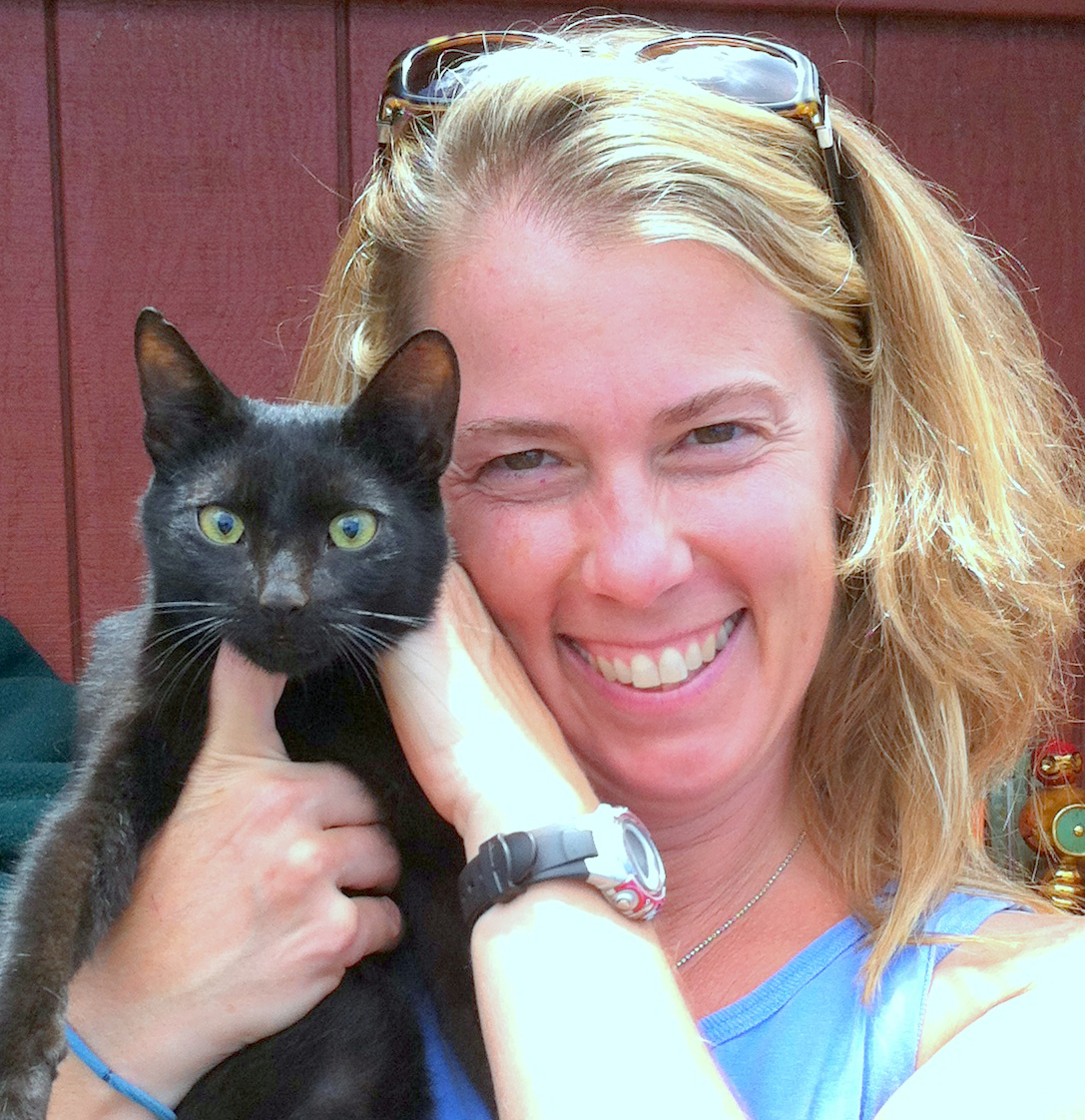
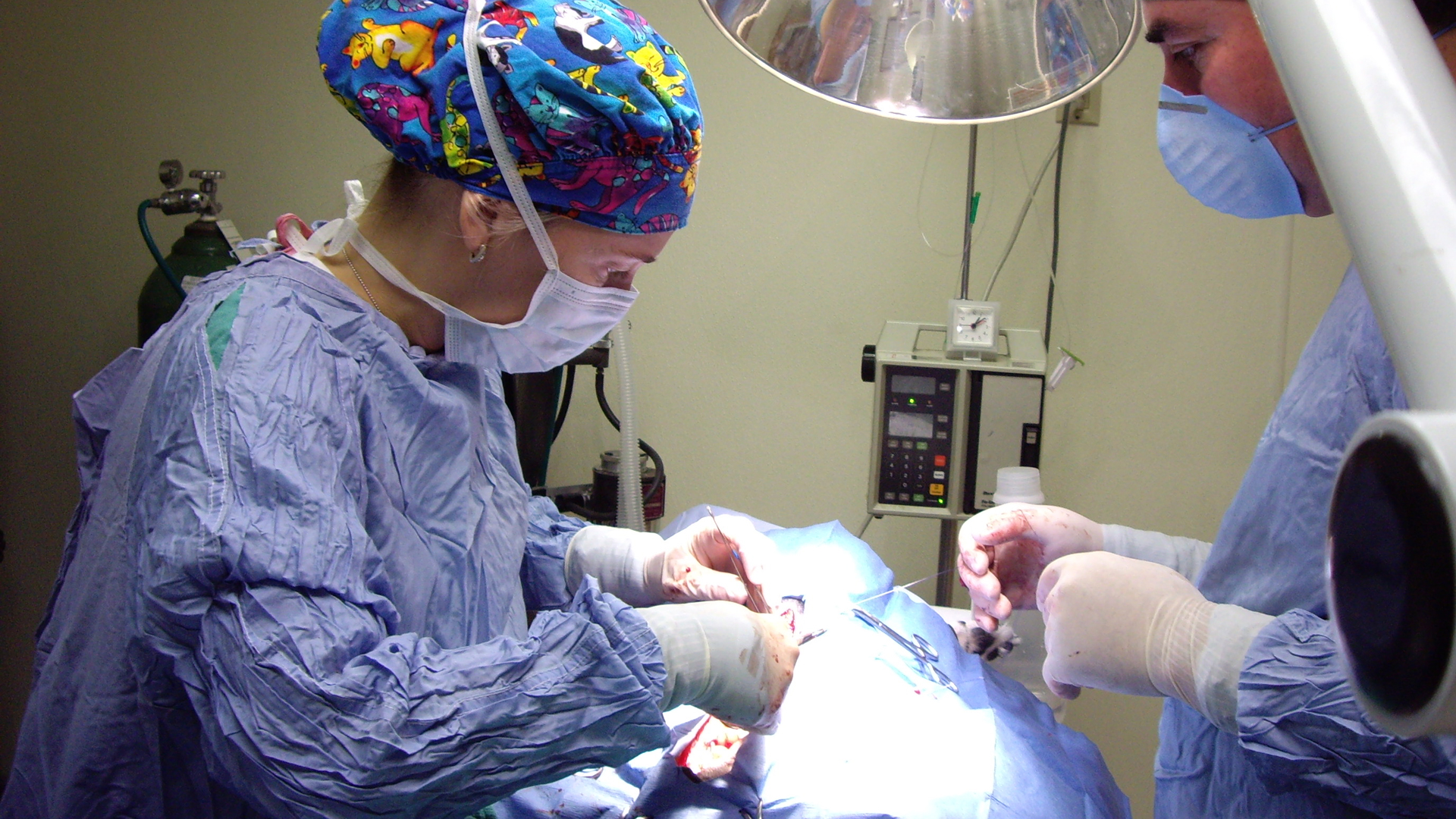
Dr. Lisa Labrecque is a graduate of the University of California, Davis School of Veterinary Medicine, and has over 20 years of animal welfare experience. A certified high-volume, high quality spay/neuter surgeon she has worked with organizations like Fix Our Ferals and Rural Area Veterinary Services, providing services to underserved communities. Currently she serves as Chief Veterinarian for the Hawaiian Humane Society on Oahu. Past positions have included Medical Director of the Feral Cat Coalition in San Diego and the Lana‘i Cat Sanctuary, as well as Director of Community Spay/Neuter Programs at Maui Humane Society.
Have a question for Dr. Lisa? Send it to us at info@neighborhoodcats.org.
Do you give rabies and FVRCP vaccines as well as ivermectin when you spay or neuter a cat?
Ideally, all cats should be vaccinated at the time of spay/neuter - FVRCP and rabies (except in Hawaii where I live because we are rabies-free). Ivermectin can be given for ear mites and sarcoptic mange, and is also effective against certain internal parasites (such as roundworms), but I do not recommend routine administration of ivermectin due to the potential for adverse side effects. Ivermectin is used at a dose of 0.2mg/mg to 0.4mg/kg. Alternatively, topical products such as Revolution, Nexgard, Advantage, and others are effective against many internal and external parasites including ear mites, fleas, roundworms, tapeworms, and more.
Is it OK to provide a nursing mom cat with flea medication or could it adversely affect her kittens?
Some products are safe for nursing moms and some are not. Products considered safe for both pregnant and lactating queens include:
- Frontline and Frontline plus
- Revolution, but NOT Revolution Plus
- Advantage
These products require caution or lack complete safety data and should be avoided:
- Bravecto
- Credelio
- Comfortis
An additional concern with any topical flea product applied to a nursing queen is the potential for the kittens to be exposed to or ingest the product during nursing or nuzzling. This direct exposure could result in a substantial and harmful dose for the neonates, so be sure to apply the product in a place where the kittens do not nuzzle and preferably right after feeding, so that several hours elapse between the time the medication is applied and when the kittens nurse next.
What is the recommended holding time for cats following spay/neuter surgery?
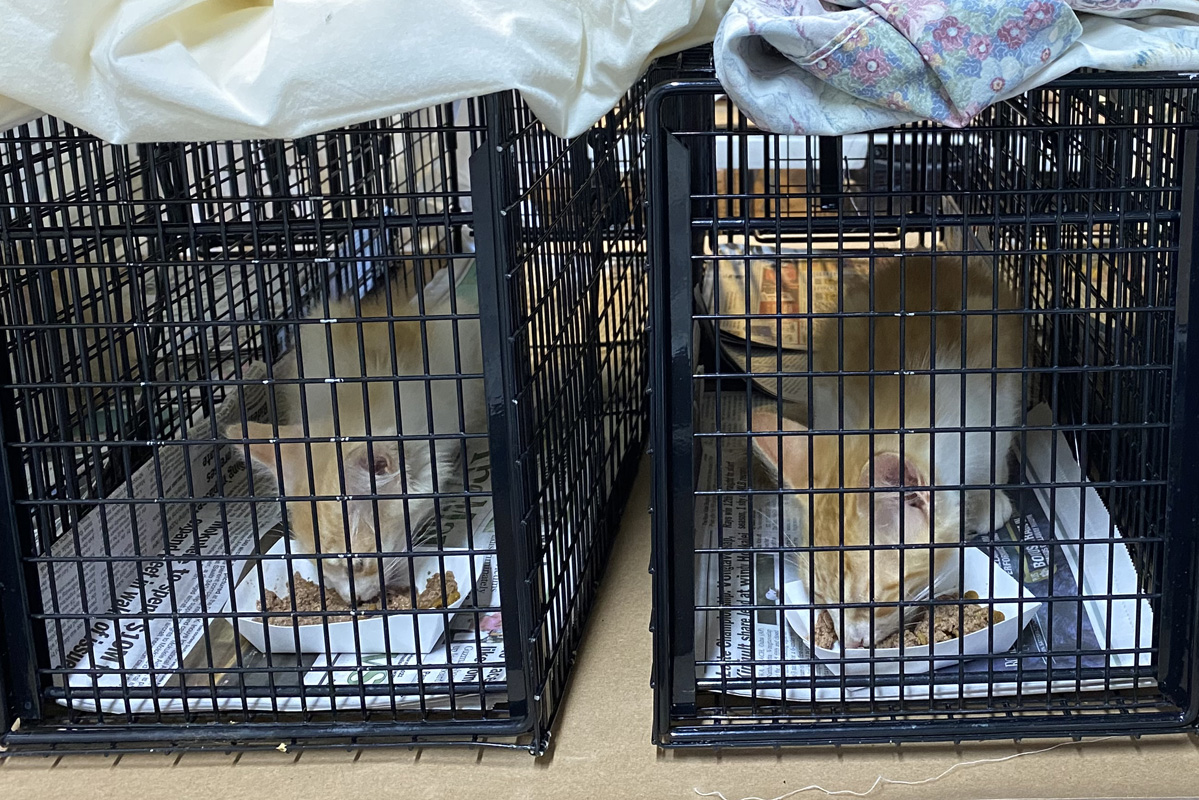
This is a commonly asked question, especially for those new to TNR. The answer depends on several factors, but for routine surgery in a healthy cat, 24 hours is usually sufficient. Once the cat has fully recovered from anesthesia, is eating, and urinating normally, it is okay to release. If possible, check the incision to make sure there is no bleeding or other abnormal signs – swelling, incision dehiscence (opening up), or signs of infection (redness, discharge).
Cats who were pregnant at the time of surgery, especially with later term pregnancies, may require additional recovery time before releasing. Cats with mild illnesses and older cats may also benefit from additional recovery time (24 to 48 hours).
Cats who are nursing or found to have well-developed mammary glands should be released as soon as possible, once fully awake and mobile, so they can return to their kittens.
What is the best place to hold cats during recovery from spay/neuter surgery?
Cats recovering from anesthesia are prone to hypothermia (cold body temperature) so they should be kept in a dry, enclosed or covered area, free from drafts. In cold climates, heat support may be needed. The area should be secure and have adequate airflow. Line the bottom of the trap with newspaper or absorbent pads and be sure it is covered with a towel to minimize FAS (fear, anxiety, stress). A small amount of food and water can be offered once fully awake.
How do I know when a cat is ready to be released?
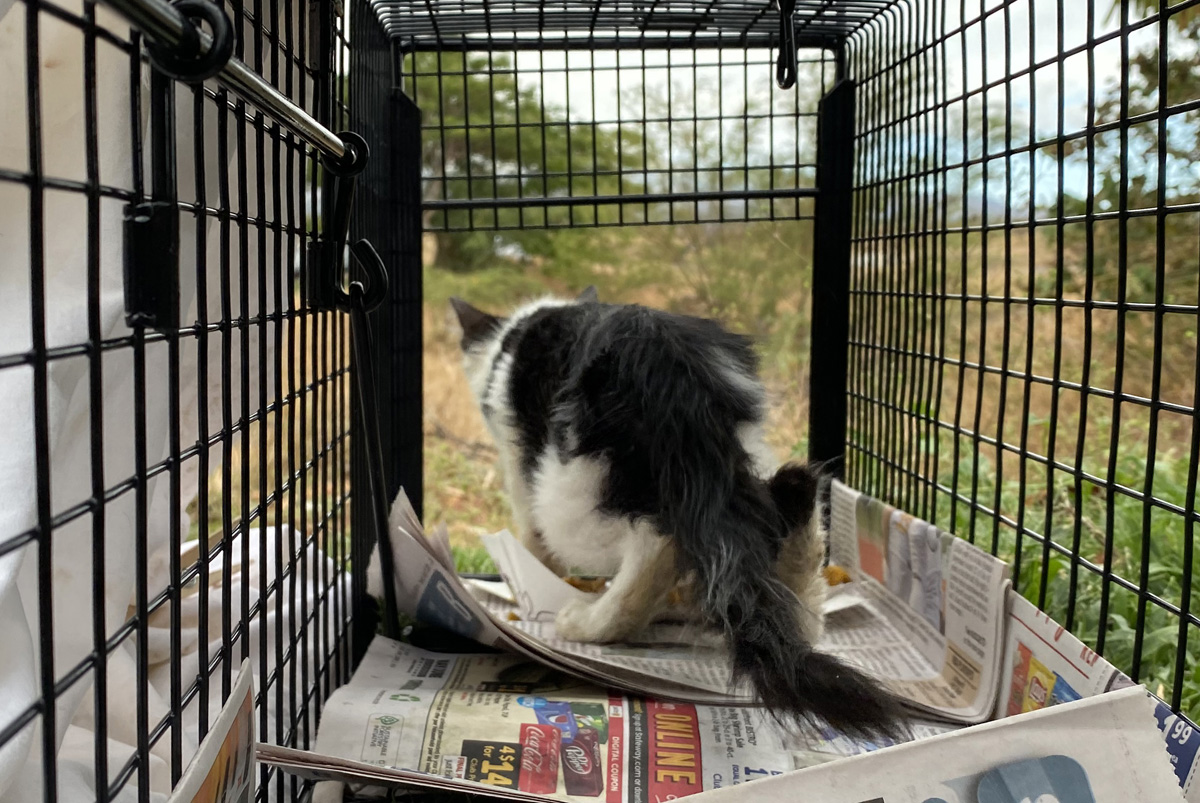
After the recommended holding period (see the first question/answer), cats can be released if they're fully alert and steady on their feet, breathing normally, and no bleeding or other abnormalities are seen. Release back to the same general vicinity as where they were trapped, ideally at dawn or dusk. Do not release during extreme weather conditions – heavy rain, intense heat, snowstorms, etc.